Mold Removal & Remediation in Tucson
Remediation is more than cleaning a surface. The goal is to remove the colonized material, keep spores from spreading into the rest of the house while that happens, get the structure genuinely dry, and eliminate the water source that started it. Skip any one of those and the problem returns — usually in the same wall, usually after the next monsoon or the next hot month.
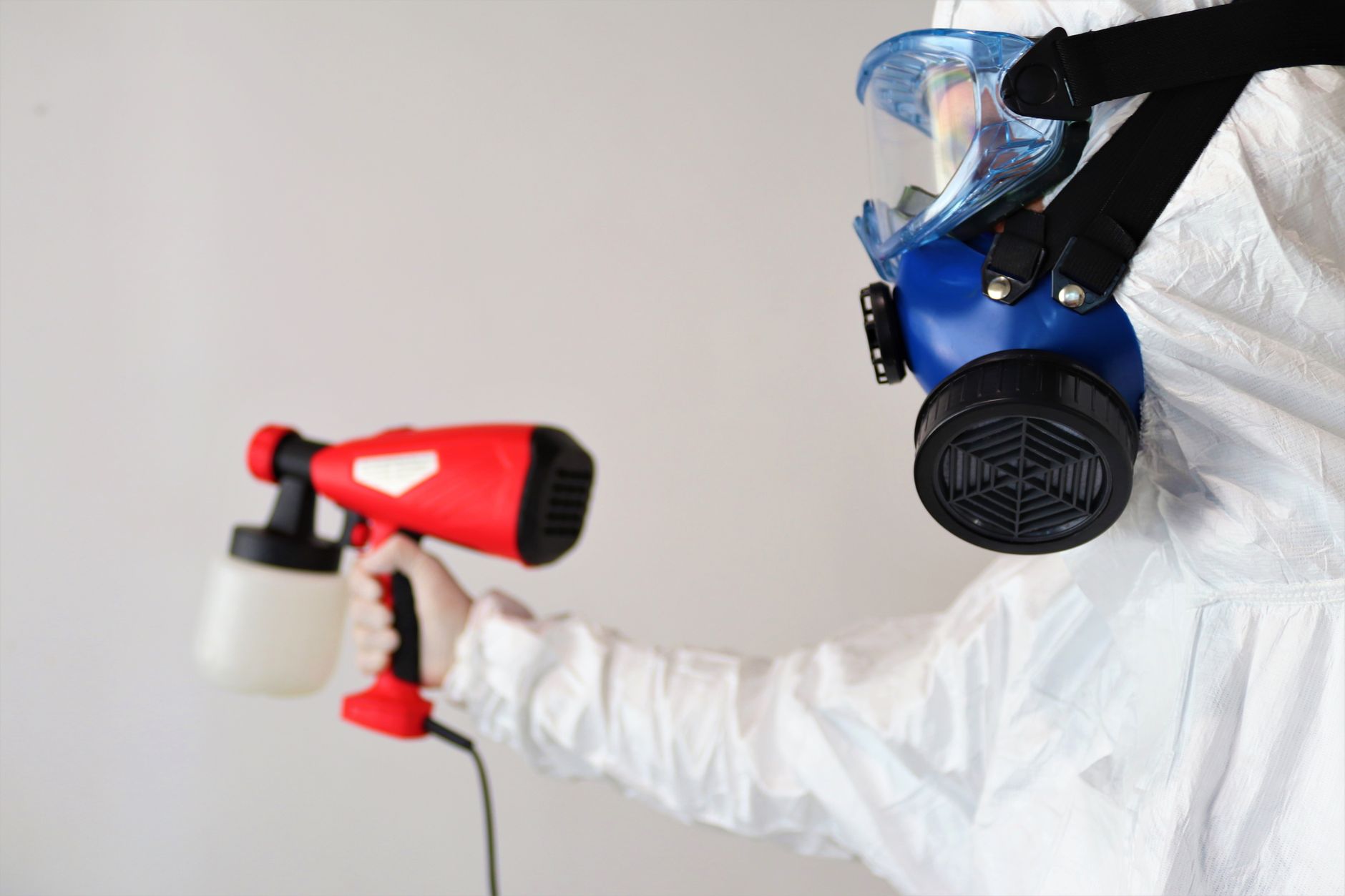
We follow the industry standard for mold remediation, which sets out a sequence rather than a product. First, contain the work area with sheeting and sealed openings so the rest of the house stays clean. Second, put the containment under negative air pressure with filtered air scrubbers so airborne particles exhaust outside instead of drifting down the hallway. Third, remove porous material that has been colonized — drywall, insulation, carpet pad, damaged wood trim — rather than painting or sealing over it, because coatings do not make dead growth or wet insulation safe. Fourth, HEPA vacuum and detail-clean the framing, block, and hard surfaces that stay. Fifth, dry to a documented target and verify with meter readings before anything is closed back up.
Tucson jobs have some particular quirks. Stucco over block means moisture can travel behind a hard shell that looks perfect from outside; we sometimes have to open from the interior and dry the cavity from that side. Adobe and older masonry in the central and barrio neighborhoods need a gentler hand and slower drying than modern frame construction. Blown insulation in a hot attic mats down and holds water long after the leak is fixed, so it usually comes out rather than getting dried in place. And in a slab-on-grade house, water under flooring has nowhere to drain, so tile or wood may have to come up over a wider area than the visible stain suggests.
Moisture-source correction is included in the work. That means the condensate line gets cleared and the pan checked and re-pitched, the cooler pan or float or pad frame gets repaired, the abandoned rooftop cooler penetration gets properly closed and flashed, the failed roof coating or ponding low spot gets addressed, the washer supply line or water heater connection gets replaced. Where the fix is outside our scope — a slab leak that needs a plumber to re-route a line, for example — we coordinate with that trade and dry the structure once the water is off, so nothing gets rebuilt over an active leak.
We keep occupied houses livable where we safely can. In a University-area rental or an occupied family home, that often means containing one room or one wall, running scrubbers, and sequencing the work so bathrooms and kitchens are not out of service at the same time. For larger losses — a ceiling collapse from a monsoon roof leak, or a slab leak that ran through several rooms — we will tell you honestly if staying is impractical.
When we finish, you get documentation of the work: photos before and after, drying logs, the moisture readings that show the assembly reached target, and a description of what was repaired at the source. Independent post-remediation verification can be arranged if a tenant, a buyer, a property manager, or a carrier wants a third-party clearance. If a policy covers the loss, we document to carrier standards and bill your insurance directly.
What We Do
- Sealed containment and negative air with filtered exhaust
- Colonized porous material removed, not painted over
- Documented drying with verified moisture targets
- Source repair included: cooler, condensate, roof, supply line
- Sequenced work so occupied homes stay usable
- Direct insurance billing on covered losses